Pages

Monday, May 18, 2020

FLOWER OF THE MONTH: LILY OF THE VALLEY


Happy May! I can't believe how quickly time has gone ( and how quickly the days are blending into one due to the quarantine ) we are continuing the flower of the month series and wanted to showcase this beautiful little specimen, Lily of the valley. It’s a beautiful plant with a delightful and aromatic scent, but adding it to the garden without the right preparation can lead to major headaches in the future ( aka it's a spreader ) 


GROWING TIPS

1) Scout out a nice area where your soil drains well. For drainage peat moss, compost, ground bark, or decomposed manure all work well and are widely available. Lily of the valley plants like soils that provide average amounts of moisture but will not be happy in waterlogged settings.

2) Plant your bulbs where they will get light to moderate shade. 

3) After planting, water generously, soaking the soil to settle it around the roots. Top growth will begin to form quickly, usually in just a week or so, depending on the amount of available warmth. 

4) When in bloom, feel free to cut the petite bell-shaped flowers for bouquets. This will not hurt the plants whatsoever. 

5) After blooming has finished for the season leave the foliage in place; don’t cut it off. The leaves will gather sunlight, create food through photosynthesis, and strengthen the plants for the future. Water as needed. Leaves may be removed if they yellow later in the season. This depends on location as lily of the valley make a nice evergreen groundcover in many areas where the weather is warm to moderately cold. 

6) Your lily of the valley will rest for a few months before beginning the next growing cycle in spring.


We hope this blog post helped you with any of your gardening needs, 
till next time!

Thursday, April 9, 2020

FLOWER OF THE MONTH: SWEET PEA


Every time I see sweet pea I always think of Spring, these little florals are so beautiful and smell amazing! They bloom throughout Spring and Summer and but stay evergreen throughout Fall and Winter and come in a shrub or vine variety. Since Sweet Peas is this month's "Flower of the Month" we wanted to showcase how you can grow these lovely flowers in your garden. 

GROWING TIPS 

1) Plant them in very late winter or early spring as soon as the soil is dry enough to work.

2) Sweet peas are happiest with their heads in the sun and their roots deep in cool, moist soil. When possible, plant low-growing annuals in front of them to shade their roots.

3) Prior to planting, you’re going to want to dig a nice deep trench of about 4 inches in depth.

4) KEEP SOIL MOIST, if you touch the soil and stick your finger in up to the first joint and it's dry make sure to give it ample water. 

5) Except for the bush types, sweet peas are real climbers. Give them at least 6 feet of good support. Some varieties may climb to 9 or 10 feet.

6) When plants become established, mulch well to keep the soil cool and moist. If you mulch, you may not need to water your sweet peas unless the soil gets dry.


we hope this post helps you with your plant care needs
till next time! 

Tuesday, April 7, 2020

TYPES OF INDOOR POTHOS


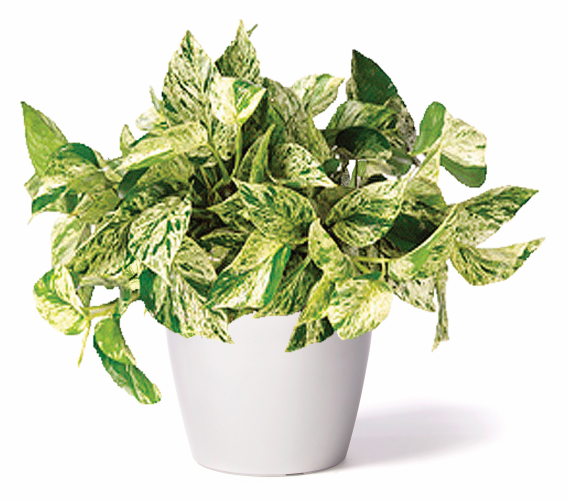
Hanging plants can really brighten up your space and make it cozier. Especially when it's an awkward corner and you don't know what to use to fill it up, hanging plants are the best option. The best part about these types of plants is that they are SO easy to take care of, they are usually very low maintenance. My favorite type of hanging plant is the pothos, they come in different varieties but I love the pothos jade because of the beautiful, dark green, vibrant color. These types of plants do require med water but you can tell when it's thirsty because it will start to droop slightly. They will bounce back once they get some water, they also like low-med light (honestly depends on the variety) the darker the foliage the less light that it needs. These are some of the varieties of the pothos species: 


              POTHOS JADE 


    POTHOS N-JOY


          POTHOS MARBLE QUEEN


        POTHOS GOLDEN 


      POTHOS NEON


we hope this post helps you with any of your plant needs! 
till next time 

Thursday, March 26, 2020

HOW TO CONSERVE: RAIN WATER HARVESTING


Have you guys ever heard of rainwater harvesting? We were recently at a convention when the topic came up, naturally, we were curious as to what that is and what kind of benefits it has. Rainwater harvesting is collecting the run-off from a structure or other impervious surface in order to store it for later use. Traditionally, this involves harvesting the rain from a roof. The rain will collect in gutters that channel the water into downspouts and then into some sort of storage vessel. Rainwater collection systems can be as simple as collecting rain in a rain barrel or as elaborate as harvesting rainwater into large cisterns to supply your entire household demand and landscaping needs! 

Here are some of the benefits of switching to a Rainwater harvesting system 

Rainwater is a relatively clean and absolutely free source of water

 You have total control over your water supply (ideal for cities with water restrictions) 

It is socially acceptable and environmentally responsible 

It promotes self-sufficiency and helps conserve water Rainwater is better for landscape plants and gardens because it is not chlorinated

It can solve the drainage problems on your property while providing you with free water

 It uses simple technologies that are inexpensive and easy to maintain

we hope this post helps you with all of your landscaping needs, 
till next time!

Tuesday, March 24, 2020

TYPES OF INDOOR FICUS PLANTS


As well all know there are so many different varieties of plants and different factors (such as lighting, watering, and height) so it can all be a little overwhelming when choosing a plant that will work best in the designated area that you want to put it in. In this series, I want to showcase the species of indoor plant and it's different varieties. This week it will be all about Ficus's, the ficus plant is a little temperamental and I definitely wouldn't recommend any type of ficus to a beginner, it's more of an intermediate/hard plant due to its many needs. It requires high light, medium watering and fertilization every 6 months.  Here are the different types of indoor Ficus's:


FICUS ALLI 


FICUS AUDREY


FICUS BENJAMINA


FICUS RUBBER TREE


FICUS LYRATA


I hope this blog post help with all of your plant care needs
till next time! 


Monday, March 16, 2020

TOP 10 INTERIOR PLANTS FOR YOUR OFFICE AND HOME


Hazart Khan once said "some people look for a beautiful place, others make a place beautiful" I personally love to make my space beautiful by filling it to the brim with plants. Luckily, I have a green thumb ( THANKS MOM! ) as I've grown around plants my entire life and there are so many great attributes as to why you should have plants in your space ( be it home or office ) 

1) Boost mood, productivity, concentration and creativity

2) Reduce stress, fatigue, sore throats and colds

3) Clean indoor air by absorbing toxins, increasing humidity and producing oxygen

4) Add life to a sterile office, give privacy and reduce the noise level

5) Are therapeutic and cheaper than a therapist


Here are some of my favorite plants that I personally love for interior spaces 


SNAKE PLANT


POTHOS 


SWISS CHEESE PHILODENDRON


ZAMIIFOLIA 


BOSTON FERN


RUBBER TREE


DRACENA LISA


PEACE LILLY


CALATHEA 


I hope this post helped you will all of your plant care needs! 
till next time 


Tuesday, March 10, 2020

TOP 10 CALIFORNIA NATIVE PLANTS


California, there are so many good things that I could say about this beautiful place but I may be biased since I was born and raised here. From the coast to the desert there are a lot of stunning native plants from California ( over 700 to be exact ) but today I wanted to share my top ten favorite plants that were also born and raised in sunny California. 


DESERT MARIGOLD


ROSA CALIFORNICA


SALVIA SPATHACEA


CEANOTHUS LEUCODERMIS


CHILOPSIS LINEARIS "DAZZLEWINE DESERT WILLOW"


ESCHSCHOLZIA CALIFORNICA "ROSE CHIFFON" 


EUPHORBIA XANTII


FREMONTODENDROM "CALIFORNIA GLORY"


IRIS DOUGLASIANA 


ARBUTUS MENZIESII


I hope you guys enjoyed this blog post
till next time!! 

Monday, December 9, 2019

TIS' THE SEASON FOR POINSETTIAS


It's that time of the year again! Everyone bring out your poinsettias because it's now time to learn to how to properly take care of your festive plants in order for them to last throughout the whole month.  

How To Care For : POINTSETTIAS
  • Make sure to not put your poinsettia in direct sunlight, it has to be placed in indirect sunlight in order to thrive throughout the holiday season.
  • Don't push your poinsettia up against a wall or window because it can damage the leaves. 
  • Make sure your poinsettia is kept moist, but don't let it sit in water because then it would get overwatered and start to die. 
  • Lastly, make sure to keep your poinsettias in a cool environment to prolong it's longevity. 


We hope this guide has helped you with all of your floral needs. 

until next time!

Wednesday, November 6, 2019

THANKSGIVING BOARD


Thanksgiving is almost upon us and that means it's time to start thinking of this year's decor! We put together a mood board to showcase some of the designs and colors that we are really loving. Our favorite thing to make this season is definitely garlands, just because they really make your table decor so colorful and there are so many different ways you can style/make them. How do you guys decorate for Thanksgiving? 

Till next time! 

Monday, September 16, 2019

OUR FAVE PLANT: STEPHANOTIS FLORIBUNDA


Stephanotis Floribunda, also known as the Madagascar Jasmine, is quickly becoming our top favorite plant to use especially for contemporary/modern landscape designs. Due to its simple coloring and foliage, it blends well with any home. What we also love about this plant is its magnificent fragrance! Due to its large florals, these beauties really pour out that beautiful jasmine scent. Please, note that this plant is definitely a climber so placing it on a trellis, fence or stake is an ideal spot for it. These plants also do require plenty of sunlight and water. The flowers are produced in summer and only on new growth, therefore it is important that pruning is kept to a minimum, especially during the growing season.

we hope we helped you with all of your gardening needs! 

Friday, June 14, 2019

Your Gardening Checklist


While selecting the right plants for your garden is a good start, there is a lot of work that goes into maintaining your space. As the weather warms up at the beginning of spring, it is crucial to start preparing the soil and plants. The following tips will help set your garden up for a successful spring and summer. 


Check Your Tools
Before you get started with your gardening routine, you should take the time to check your tools. After sitting in the shed all winter, most of them could probably use a little maintenance. 
Sharpen the tools with blades and oil any hinges. Even if you’ve been using your multi-tool throughout the winter, you should check on any oscillating tool blades that you use for gardening purposes. You should also inspect your tools to make sure they function appropriately. Some might need repairs and others may need to be replaced. It’s also a good opportunity to make sure any general yard care tools, like a cordless lawn mower, wheelbarrow, and watering equipment, are in good working condition.


Pruning
The beginning of spring is the perfect time to prune many of your shrubs and trees. With the winter just ending, the branch structures are more visible, which will make it easier to shape your plants. However, before you start, you are going to want to learn which plants to trim at different times of the year. Spring is the ideal time to prune many of your trees and shrubs, but there are some that will need to wait until summer or even fall. 


Clean Your Garden Beds
Clean out your garden beds and get back to having clear soil. Look for any leaves or debris that need to be removed and pull up any weeds that may have started to grow. If you have any dead organic matter, you can throw that on the compost pile. If the organic matter is already starting to compost, you can leave it with the soil. Ensuring that your garden beds look good may require a bit more maintenance than you think. In addition to removing debris and unwanted weeds, clean up the borders of your garden to ensure a nice, neat area. An electric grass trimmer will even out any overgrown grass and help shape the border.


Prepare the Soil
With the garden beds clear, you can start preparing the soil. Since the ground tends to get compact during winter, the first step is going to be tilling the soil. You can use a variety of tools to accomplish this. Depending on the circumstances, you can use a tiller, your garden rake, spade, trowel, or garden forks. Once the top layer of soil is tilled, you can add the necessary soil amendments and then rake the beds flat.


Divide Your Perennials
If you have an established perennial garden, you may have noticed that some of the plants have started to crowd each other. Without enough space, plants can start to underperform. This is why you should consider early spring as the best opportunity to divide your perennials. You just need to be careful to prevent damage when digging around and lifting the roots of your perennial plants.


Early Planting
The start of spring is also a time for early planting. Some plants will require you to start them indoors and then transplant them to the garden later in the season. However, there are plenty of plants that can be planted in early spring. If it is a vegetable garden, produce like lettuce, snow peas, potatoes, and onions can all be planted before the last frost.


Lay Mulch
Finally, it’s time to put down a layer of mulch. With a good layer of mulch on your garden, you can nourish your plants and prevent weeds from coming in to compete with the plants you want in your garden. While you do want to mulch around the established plants, you should wait until later in the season to mulch areas that have seedlings or places that were left open for planting later in the year.
Although this checklist may seem long, it’s the best way to ensure your hard work pays off this summer. Follow these steps for your best gardening season yet.


We would like to give author credit to freelance editor, Rae Steinbach:

"Rae is a graduate of Tufts University with a combined International Relations and Chinese degree. After spending time living and working abroad in China, she returned to NYC to pursue her career and continue curating quality content. Rae is passionate about travel, food, and writing, of course.
WORX /ROCKWELLTOOLS

Tuesday, May 7, 2019

ECO-FRIENDLY PLANTS


Last week we started a conversation on our Facebook page regarding how to be more eco-friendly and sustainable. One of the ways we discussed was by planting more perennials and bushes for the pollinators because they are so important to our eco-system and environment they need all of the help they can get. So this week we wanted to continue that conversation and talk about what plants you should grow to be more sustainable. 


ALYSSUM


DELPHINIUM


LAVENDER


SAGE


MARIGOLD


YARROW


QUEEN ANNE'S LACE 


we hope this post helped with any of your gardening needs, until next time!